
Fashion
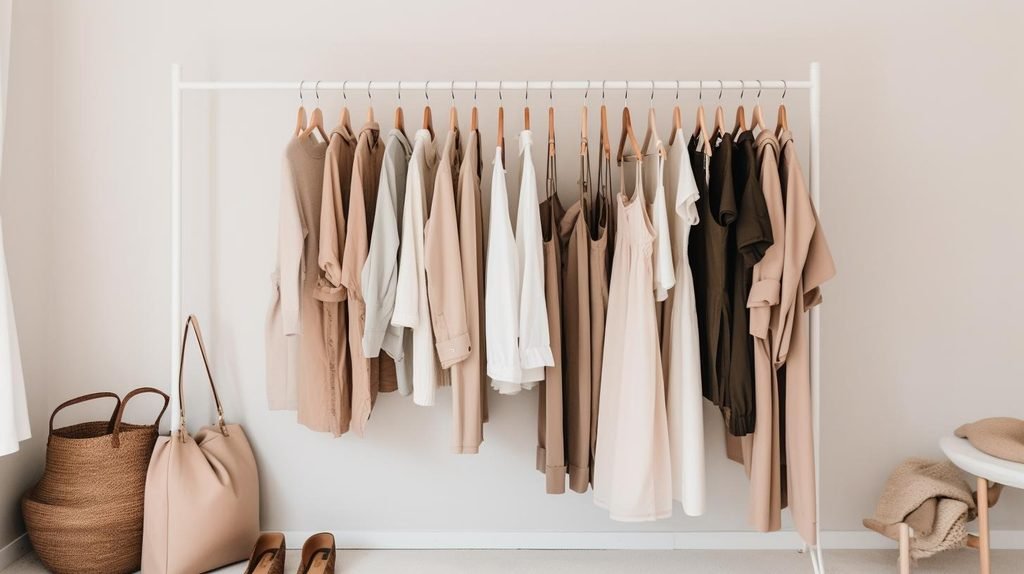
Al type of Fashion
All Types of Fashion: A Complete Guide to Clothing Styles and Latest Trends
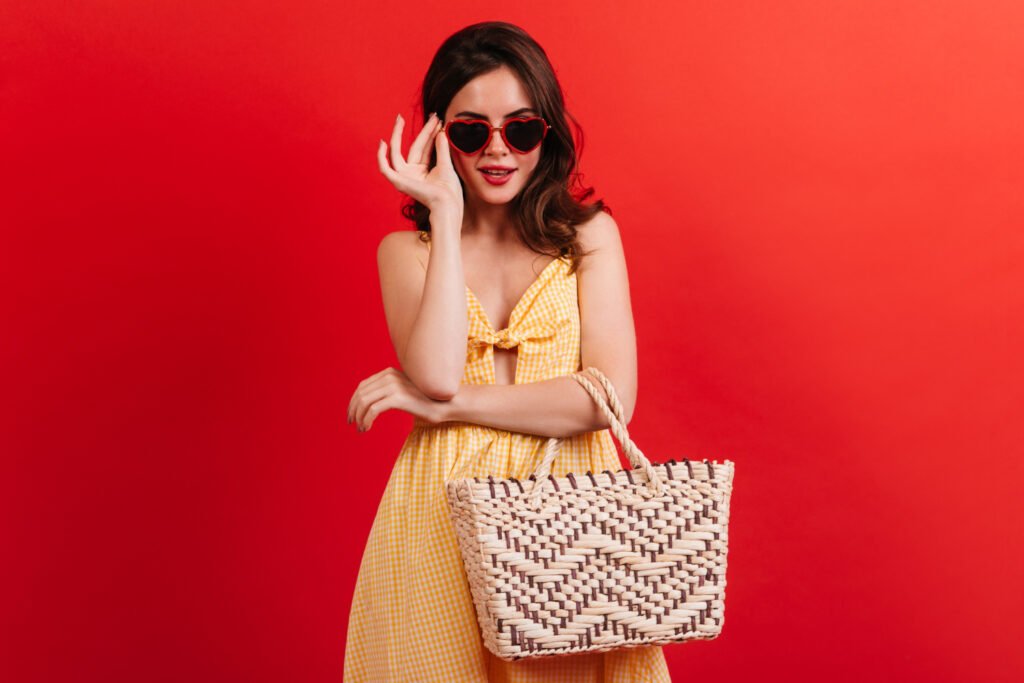
Meta Title: All Types of Fashion: Clothing Styles & Trends Guide
Meta Description: Explore all types of fashion, including women’s, men’s, and kids’ clothing, casual wear, formal outfits, streetwear, ethnic fashion, and seasonal trends.
Suggested URL Slug: all-types-of-fashion
Focus Keyword: All types of fashion
Related Keywords: Women’s fashion, men’s fashion, kids’ clothing, casual wear, formal wear, ethnic fashion, streetwear, fashion trends, seasonal clothing, trendy outfits.
Introduction
Fashion is more than just clothing; it is a way to express your personality, lifestyle, and creativity. From everyday casual outfits to elegant formal wear, there are many types of fashion to suit different occasions, preferences, and budgets. Whether you prefer modern clothing, traditional outfits, or the latest seasonal trends, choosing the right style can help you look confident and feel comfortable.
In this complete guide, we will explore all types of fashion, including women’s fashion, men’s fashion, kids’ clothing, casual wear, formal outfits, streetwear, traditional clothing, and more.
1. Women’s Fashion
Women’s fashion includes a wide range of clothing styles, from everyday essentials to sophisticated occasion wear. The right outfit depends on personal taste, comfort, season, and the event.
Popular categories of women’s fashion include:
- Casual Wear: T-shirts, jeans, tops, leggings, and comfortable everyday outfits.
- Formal Wear: Blazers, tailored trousers, elegant dresses, and professional office clothing.
- Party Wear: Stylish dresses, fashionable co-ord sets, and statement outfits.
- Traditional Wear: Shalwar kameez, kurtis, embroidered suits, and other cultural outfits.
- Athleisure: Leggings, joggers, sports tops, and comfortable activewear.
- Modest Fashion: Long dresses, loose-fitting outfits, tunics, and layering pieces.
To create a versatile wardrobe, choose clothing that matches your lifestyle and can be styled in multiple ways.
2. Men’s Fashion
Men’s fashion combines comfort, functionality, and personal style. From smart office outfits to relaxed weekend clothing, there are options for every occasion.
Popular men’s clothing styles include:
- Casual Fashion: Jeans, polo shirts, T-shirts, chinos, and casual shirts.
- Formal Fashion: Business suits, dress shirts, tailored trousers, and blazers.
- Traditional Fashion: Shalwar kameez, waistcoats, kurtas, and other cultural outfits.
- Streetwear: Oversized T-shirts, hoodies, cargo pants, and fashionable sneakers.
- Sportswear: Track suits, gym shorts, joggers, and performance clothing.
- Smart Casual: Chinos paired with shirts, loafers, or lightweight jackets.
A practical men’s wardrobe includes neutral colors, comfortable basics, and a few statement pieces for special occasions.
3. Kids’ Fashion
Kids’ fashion focuses on comfort, durability, and age-appropriate designs. Children need clothing that allows them to move freely while matching their daily activities.
Common categories of kids’ clothing include:
- Everyday T-shirts, trousers, and shorts.
- Dresses, skirts, and coordinated outfits.
- School uniforms and practical footwear.
- Traditional clothing for family gatherings and celebrations.
- Warm jackets, sweaters, and winter accessories.
- Comfortable sleepwear and seasonal essentials.
When shopping for children, prioritize breathable fabrics, suitable sizing, easy-to-wash materials, and comfortable designs.
4. Casual Fashion
Casual fashion is one of the most popular clothing styles because it offers comfort and versatility. It is ideal for shopping, meeting friends, travelling, and everyday activities.
Popular casual clothing includes jeans, T-shirts, hoodies, sneakers, cotton shirts, leggings, and relaxed-fit trousers.
For an effortless casual look, combine basic pieces with complementary colors and comfortable footwear. Simple accessories can add personality without making the outfit feel complicated.
5. Formal and Business Fashion
Formal fashion is designed for professional settings, meetings, ceremonies, and special events. It usually features structured designs, refined fabrics, and coordinated accessories.
Popular formal clothing includes tailored suits, blazers, dress shirts, formal trousers, elegant dresses, and polished shoes.
Business casual clothing offers a more relaxed alternative, with chinos, smart shirts, modest dresses, and lightweight jackets. Choosing well-fitted clothing and maintaining a neat appearance can make a strong professional impression.
6. Traditional and Ethnic Fashion
Traditional fashion reflects cultural heritage through clothing, fabrics, embroidery, and distinctive designs. It remains an important part of fashion in many countries.
In Pakistan, popular traditional clothing includes shalwar kameez, kurtas, embroidered suits, waistcoats, dupattas, and festive outfits. Other cultures feature their own traditional garments, including sarees, abayas, kimonos, and kaftans.
Traditional fashion can be styled for everyday wear, weddings, religious celebrations, and cultural events. Modern cuts, contemporary colors, and minimal accessories can give traditional outfits a fresh appearance while preserving their cultural identity.
7. Streetwear Fashion
Streetwear is influenced by urban culture, music, skateboarding, and contemporary youth style. It often features relaxed silhouettes, bold graphics, and statement footwear.
Popular streetwear pieces include oversized T-shirts, hoodies, cargo trousers, denim jackets, caps, and sneakers.
You can create a streetwear outfit by combining comfortable basics with one standout item. Layering different textures and choosing coordinated colors can make the look more distinctive.
8. Luxury and Designer Fashion
Luxury fashion focuses on premium materials, craftsmanship, design details, and brand identity. It includes designer clothing, high-quality leather goods, statement accessories, and carefully tailored garments.
Luxury fashion does not always require an entirely expensive wardrobe. Investing in a well-made coat, quality shoes, a classic bag, or a timeless outfit can provide long-term value when the items are maintained properly.
Choose pieces based on quality, versatility, and personal preference rather than following every passing trend.
9. Sportswear and Athleisure
Sportswear is designed for exercise and physical activity, while athleisure combines athletic-inspired clothing with everyday style.
Popular options include leggings, joggers, sweatshirts, performance T-shirts, sports bras, track suits, and supportive footwear.
For workouts, choose fabrics and fits suitable for the activity. For everyday athleisure, combine clean sneakers with joggers, a comfortable top, and a lightweight jacket.
10. Seasonal Fashion: Summer, Winter, Spring, and Autumn
Seasonal fashion helps you dress comfortably while adapting to changing weather conditions.
Summer Fashion: Lightweight cotton clothing, linen shirts, breathable dresses, shorts, and comfortable sandals.
Winter Fashion: Sweaters, coats, jackets, thermal layers, scarves, and boots.
Spring Fashion: Lightweight jackets, floral prints, transitional layers, and versatile trousers.
Autumn Fashion: Cardigans, denim jackets, long-sleeved shirts, boots, and layered outfits in earthy colors.
Choose fabrics according to the climate and use layering to make your wardrobe more adaptable.
11. Vintage and Retro Fashion
Vintage and retro fashion draw inspiration from earlier decades. These styles can include classic denim, tailored jackets, patterned shirts, high-waisted trousers, vintage-inspired dresses, and timeless accessories.
Vintage clothing can add individuality to a modern wardrobe. You can combine one retro-inspired piece with contemporary basics to create a balanced look.
When buying second-hand clothing, inspect the fabric, stitching, sizing, and overall condition before purchasing.
12. Sustainable and Minimalist Fashion
Sustainable fashion encourages more responsible choices in clothing production, purchasing, and use. Minimalist fashion focuses on simplicity, versatility, and fewer but more useful wardrobe pieces.
Practical ways to adopt these styles include:
- Buying durable clothing that you can wear regularly.
- Choosing versatile colors and designs.
- Repairing garments instead of replacing them immediately.
- Donating or reselling clothing in good condition.
- Exploring second-hand and responsibly produced options.
- Avoiding unnecessary purchases driven by short-lived trends.
Building a thoughtful wardrobe can help reduce waste and make everyday outfit selection easier.
13. How to Choose the Right Fashion Style
With so many fashion options available, finding your personal style can feel challenging. Start by identifying what makes you feel comfortable and confident.
Consider these factors when choosing clothing:
- Lifestyle: Select outfits that fit your work, studies, social activities, and daily routine.
- Comfort: Choose appropriate fabrics, fits, and designs for your needs.
- Occasion: Match your outfit to the event, whether casual, professional, festive, or formal.
- Season: Consider weather conditions and fabric breathability.
- Budget: Set a realistic clothing budget and prioritize versatile essentials.
- Personal Preference: Experiment with colors, patterns, and accessories to discover what suits you.
You do not need to follow every trend to dress well. A consistent personal style often makes it easier to create outfits that feel authentic.
14. Latest Fashion Trends and Everyday Styling Tips
Fashion trends change over time, but wearable outfits often combine current ideas with timeless essentials. Depending on the season and market, popular styling directions may include relaxed tailoring, coordinated sets, layered outfits, expressive accessories, and comfortable everyday basics.
To style your wardrobe effectively:
- Combine neutral basics with a bold color or pattern.
- Use accessories to create visual interest.
- Choose clothing that fits properly and suits the occasion.
- Mix timeless pieces with a few trend-inspired items.
- Care for your garments according to their fabric instructions.
- Avoid buying items simply because they are trending.
The best fashion choices balance style, comfort, quality, and individual expression.
Conclusion
There are many types of fashion, from women’s and men’s clothing to kids’ outfits, casual wear, formal attire, traditional fashion, streetwear, sportswear, luxury clothing, and sustainable styles. Each category offers different ways to express your personality and meet your everyday needs.
The key to building a great wardrobe is understanding your lifestyle, choosing suitable clothing, and investing in pieces that offer comfort and versatility. Whether you prefer classic outfits or contemporary trends, the right fashion style can help you feel confident on every occasion.
Explore different clothing categories, discover styles you love, and create a wardrobe that reflects who you are.
Frequently Asked Questions (FAQs)
What are the main types of fashion?
The main types include casual fashion, formal fashion, streetwear, traditional fashion, luxury fashion, sportswear, vintage fashion, minimalist fashion, and sustainable fashion.
What are the most popular clothing styles?
Popular clothing styles include casual wear, smart casual, streetwear, traditional clothing, athleisure, and formal outfits. Preferences vary by location, season, and occasion.
How can I find my personal fashion style?
Start with comfortable basics, identify your preferred colors and fits, consider your lifestyle, and experiment with different combinations until you find styles that suit you.
What is the difference between casual and formal fashion?
Casual fashion prioritizes comfort and relaxed designs, while formal fashion generally uses structured clothing and refined styling for professional events and special occasions.
How can I build a versatile wardrobe on a budget?
Begin with essential items such as neutral T-shirts, well-fitting trousers, versatile shirts, comfortable footwear, and weather-appropriate outerwear. Choose pieces that can be combined into multiple outfits.
Why is sustainable fashion important?
Sustainable fashion encourages durability, reuse, responsible purchasing, and reduced clothing waste. Buying thoughtfully and caring for garments can help extend their useful life.